Basmati vs Non-Basmati Rice: Which Should You Choose?
A comprehensive comparison to help you understand the differences and choose the right rice for every occasion.
Introduction
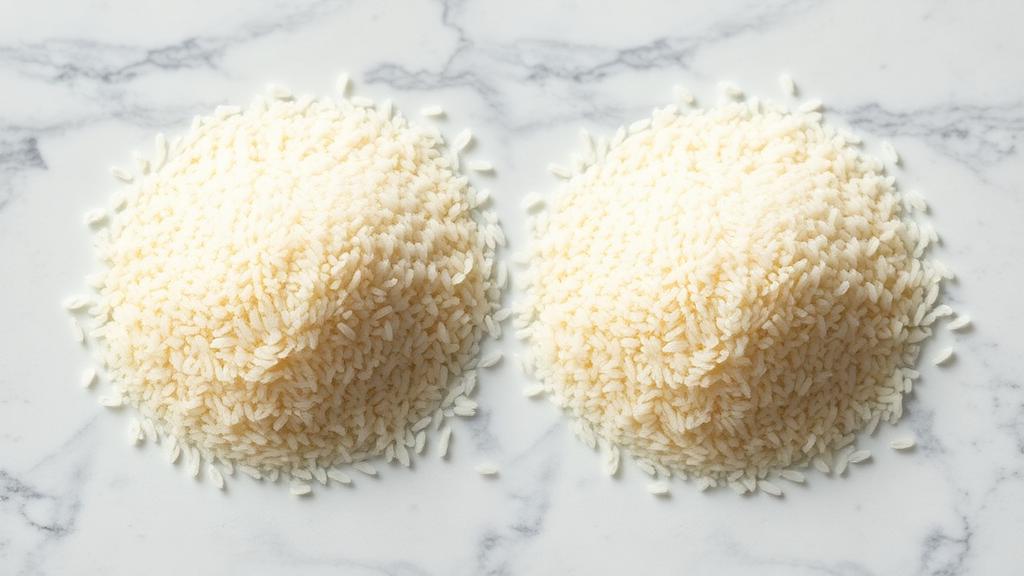
Rice is a staple food for over half the world's population, but not all rice is created equal. If you've ever stood in the rice aisle wondering whether to grab Basmati or non-Basmati, you're not alone!
Let's break down the differences to help you make informed choices for your kitchen and your business.
What is Basmati Rice?
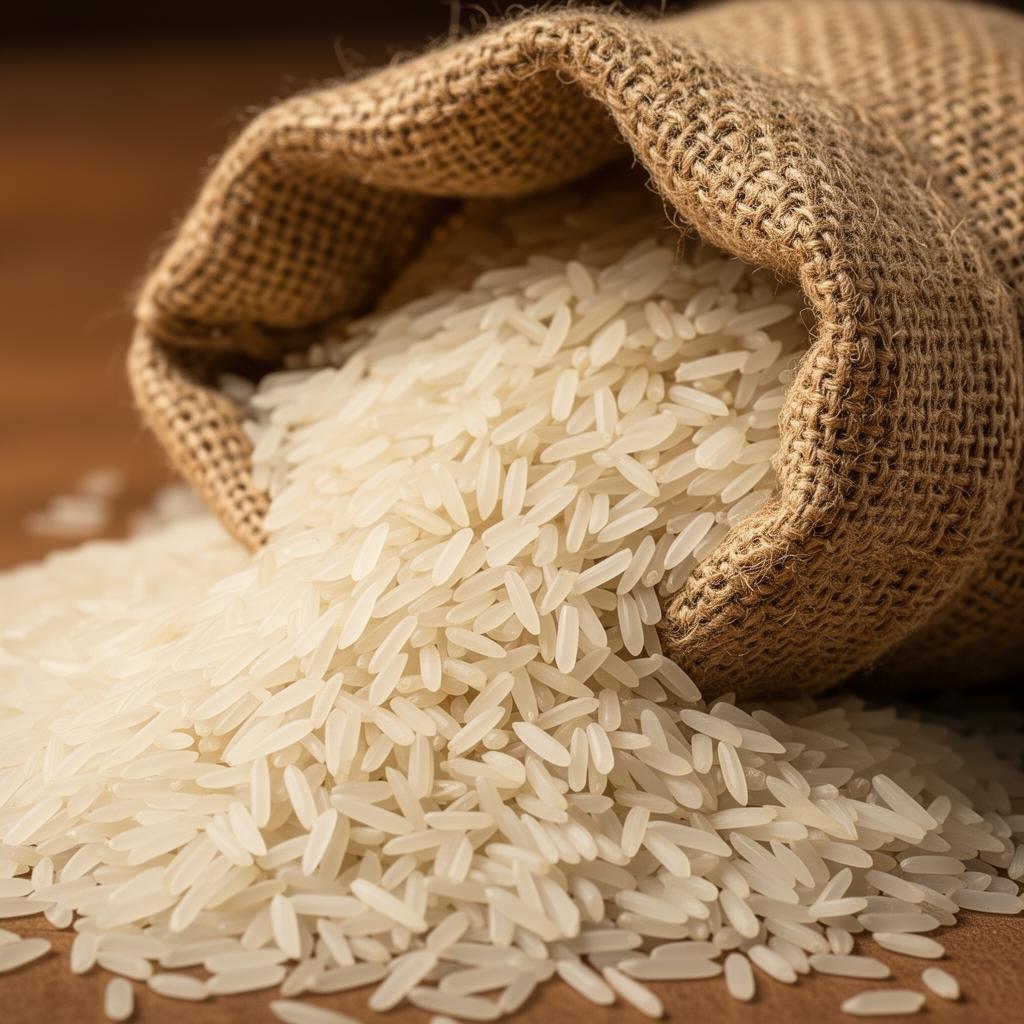
Basmati, meaning "fragrant" in Hindi, is a long-grain aromatic rice primarily grown in the foothills of the Himalayas. Its distinctive characteristics include:
- Length: Extra-long grains (6.61-8.0 mm)
- Aroma: Distinctive nutty, floral fragrance
- Texture: Fluffy and separate when cooked
- Grain behavior: Expands lengthwise, not widthwise
Popular Basmati Varieties
- Traditional Basmati
- 1121 Basmati (longest grain)
- Pusa Basmati
- Super Basmati
What is Non-Basmati Rice?
Non-Basmati encompasses all other rice varieties, offering diverse characteristics:
- Short grain: Sushi rice, Arborio
- Medium grain: Sona Masoori, Ponni
- Long grain: IR64, PR11
Popular Non-Basmati Varieties
- Sona Masoori (South Indian favorite)
- Ponni Rice
- IR 64 (parboiled)
- Broken Rice
Head-to-Head Comparison
Grain Length
| Type | Length | Expansion | |------|--------|-----------| | Basmati | 6.61-8.0mm | 2-2.5x lengthwise | | Non-Basmati | 5.0-6.6mm | 1.5x all directions |
Aroma
Basmati: Contains 2-Acetyl-1-pyrroline, creating its signature fragrance. The aroma intensifies with aging.
Non-Basmati: Generally less aromatic, though some varieties like Sona Masoori have subtle fragrances.
Texture When Cooked
Basmati: Light, fluffy, individual grains that don't stick together.
Non-Basmati: Varies from sticky to fluffy depending on variety and starch content.
Price Point
Basmati commands a premium price due to:
- Limited growing regions
- Lower yield per acre
- Aging requirements
- Higher demand in premium markets
Non-Basmati is more affordable, making it suitable for:
- Everyday consumption
- Bulk food service
- Price-sensitive markets
Nutritional Comparison
Both offer similar nutritional profiles, but:
- Basmati has a lower glycemic index
- Non-Basmati varieties like brown rice offer more fiber
- Parboiled non-Basmati retains more nutrients
Best Uses for Each Type
When to Choose Basmati
- Biryani and pulao
- Fine dining restaurants
- Special occasions
- Premium export markets
- Health-conscious consumers (lower GI)
When to Choose Non-Basmati
- Daily meals
- Fried rice
- Bulk catering
- Idli and dosa batter
- Risotto and sushi (specific varieties)
- Cost-effective food service
Storage and Aging
Basmati
- Improves with aging (1-2 years optimal)
- Aged Basmati is more valuable
- Requires dry, cool storage
- Aroma intensifies over time
Non-Basmati
- Best consumed fresh
- Shorter shelf life
- Some varieties benefit from brief aging
- Store in airtight containers
Export Quality Standards
At Satvaexport, both our Basmati and non-Basmati rice meet:
- Moisture content below 14%
- Broken grain percentage as per grade
- Free from foreign matter
- Color and aroma consistency
- International food safety standards
Making the Right Choice
Consider these factors:
- Purpose: Fine dining vs everyday meals
- Cuisine: Indian vs Asian vs Western
- Budget: Premium vs economical
- Market: Export destination preferences
- Volume: Bulk vs retail
Conclusion
There's no universal "better" option—it depends entirely on your needs. Basmati shines in premium applications where aroma and presentation matter, while non-Basmati varieties offer versatility and value for everyday use.
Need help choosing the right rice for your market? Our export team at Satvaexport is ready to assist!
Products mentioned in this article
Jump straight to specifications, packing and MOQ for the items covered above.
Interested in Premium Quality Products?
Explore our range of export-quality spices, grains, and oil seeds sourced directly from Indian farms.