How to Import Indian Spices: Complete Buyer's Guide for 2026
A comprehensive guide for international buyers looking to import premium Indian spices. Learn about sourcing, quality standards, documentation, and logistics.

Introduction
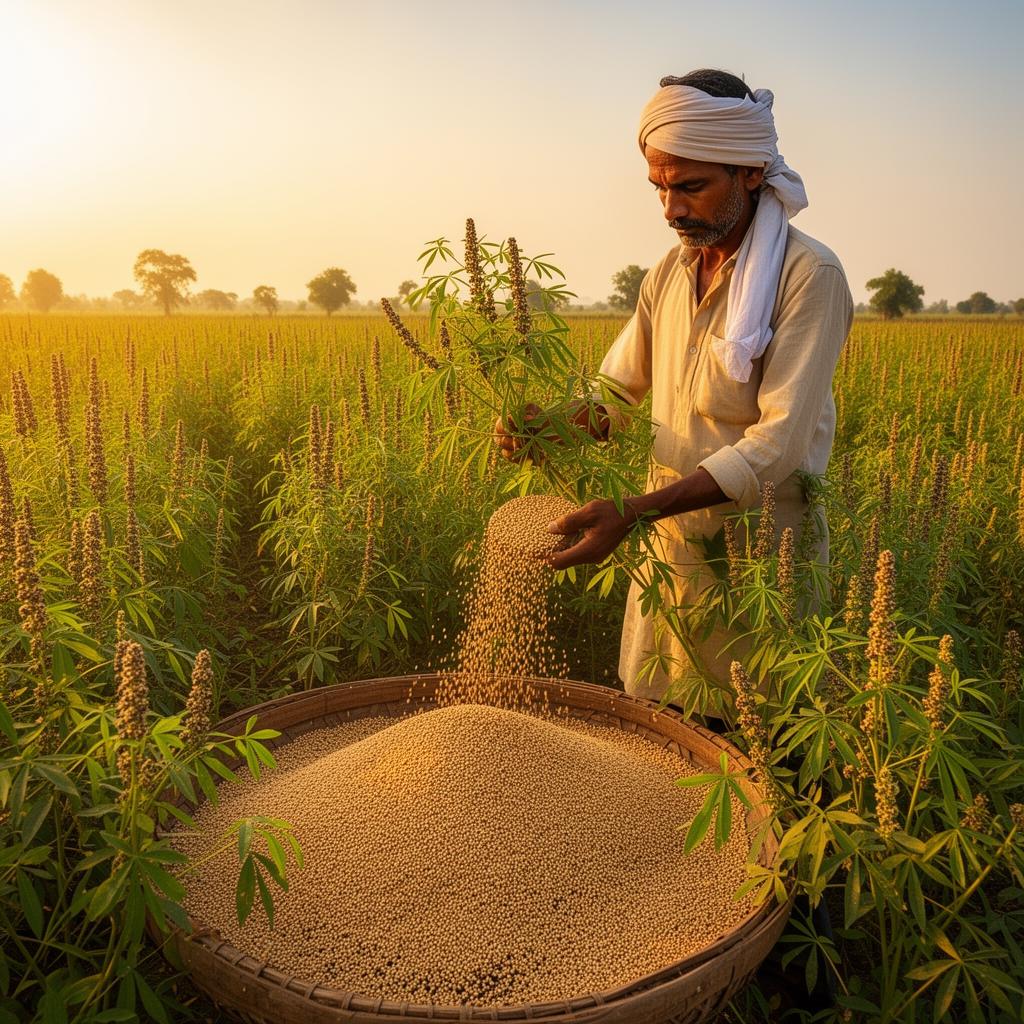
Are you looking to import Indian spices for your business? India is the world's largest producer, consumer, and exporter of spices, accounting for over 70% of global spice production. Whether you're a food manufacturer, wholesaler, or restaurant chain, understanding how to source quality Indian spices is crucial for your success.
This guide covers everything you need to know about importing spices from India, from finding reliable suppliers to understanding quality certifications and shipping logistics.
Why Import Spices from India?
Unmatched Quality and Variety
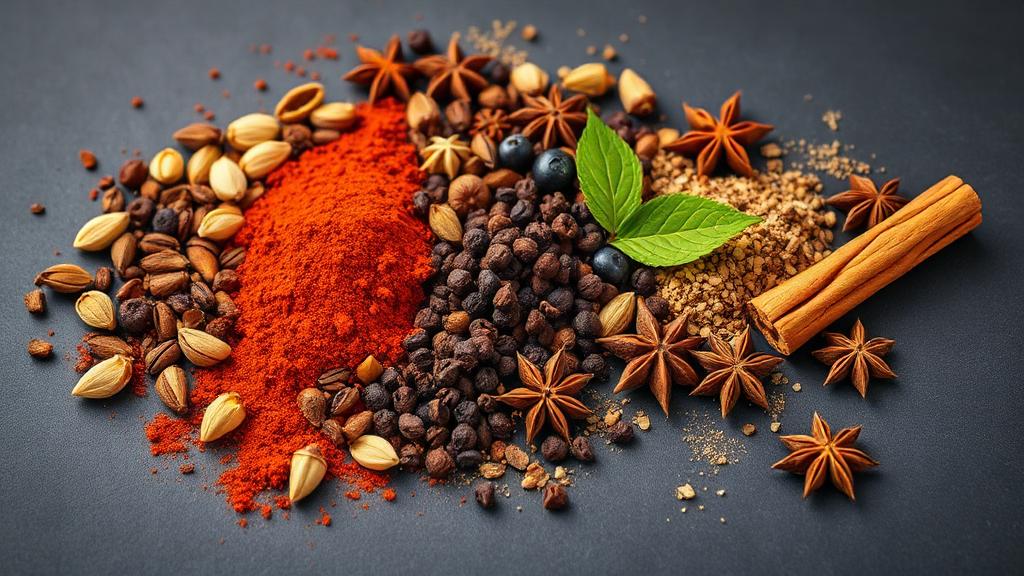
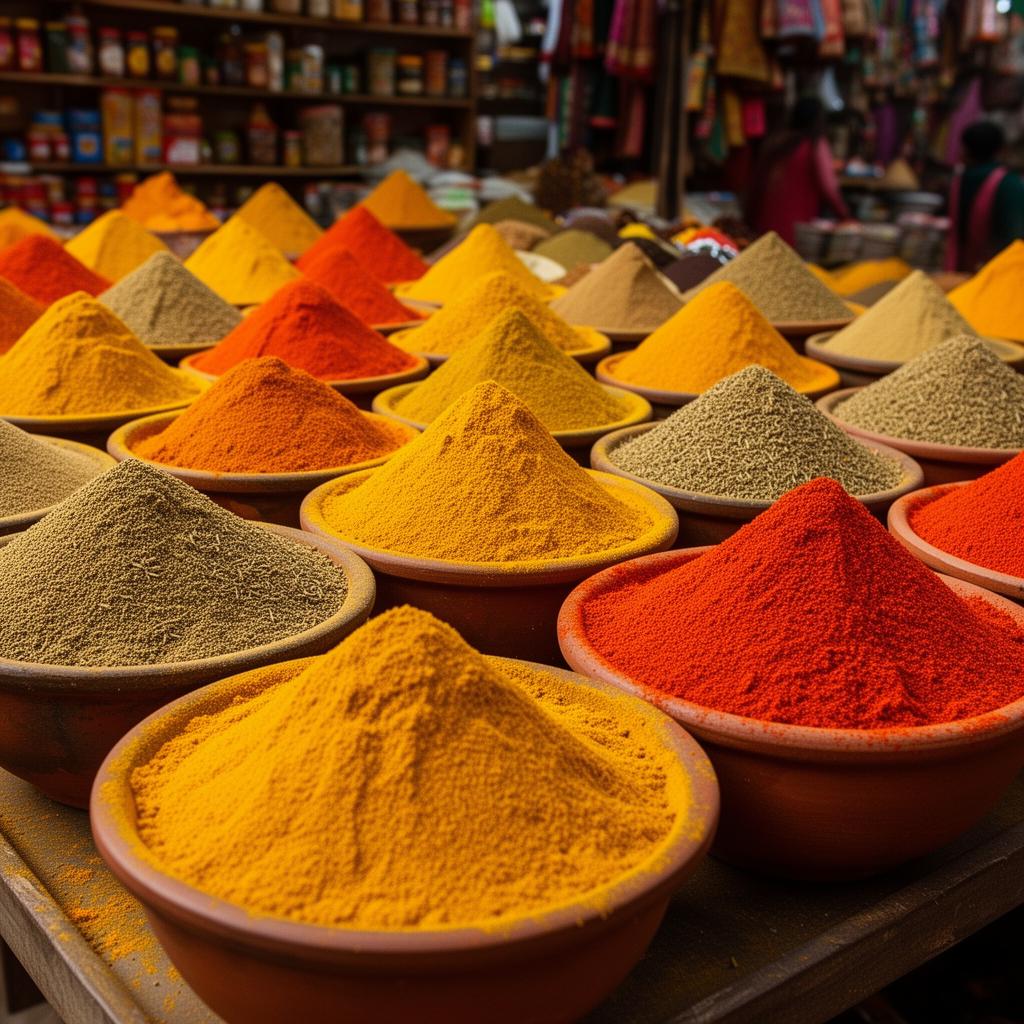
India offers over 75 different spices, each with regional variations:
- Kerala - Black pepper, cardamom, nutmeg
- Rajasthan & Gujarat - Cumin, coriander, fennel
- Andhra Pradesh - Red chili varieties
- Tamil Nadu - Turmeric with high curcumin
- Karnataka - Premium cardamom
Competitive Pricing
Direct sourcing from Indian exporters offers:
- 30-50% cost savings vs. intermediaries
- Bulk pricing for container loads
- Flexible payment terms
Consistent Supply
India's year-round harvest seasons ensure:
- Reliable availability
- Fresh stock throughout the year
- Multiple sourcing regions
Understanding Quality Grades
For Cumin Seeds
- Singapore Quality - Premium grade, minimal admixture
- Europe Quality - High purity, meets EU standards
- FAQ (Fair Average Quality) - Standard commercial grade
For Black Pepper
- Tellicherry TGEB - Bold 4.75mm+ berries
- Malabar MG1 - Standard export grade
- Malabar Garbled - Commercial grade
For Turmeric
- Finger Polished - Premium appearance
- Finger Unpolished - Natural processing
- Alleppey/Erode/Sangli - High curcumin content
Essential Documentation for Import
From the Exporter
- Phytosanitary Certificate - Plant health certification
- Certificate of Origin (COO) - Proves Indian origin
- Certificate of Analysis (COA) - Lab test results
- FSSAI License - Food safety compliance
- Commercial Invoice - Detailed pricing
- Packing List - Shipment details
Your Requirements
- Import license (country-specific)
- Food importer registration
- Customs clearance documentation
- Payment via LC/TT
Key Quality Parameters to Verify
Spice Testing Standards
| Parameter | Typical Requirement | |-----------|---------------------| | Moisture | ≤10-12% | | Foreign Matter | ≤0.5% | | Ash Content | ≤7% | | Volatile Oil | 1-4% (varies) | | Aflatoxin | ≤4 ppb (EU) / ≤20 ppb (US) | | Pesticide Residue | MRL compliant | | Salmonella | Absent in 25g |
Request Pre-Shipment Samples
Always request samples before placing large orders:
- Evaluate aroma and color
- Conduct lab testing
- Verify specifications match requirements
Packaging Options
Standard Export Packaging
- 25 kg / 50 kg PP Bags - Laminated, food-grade liner
- 1 MT Jumbo Bags (FIBC) - Bulk shipments
- Vacuum Packaging - Extended shelf life
- Custom Retail Packs - Private label options
Container Loading
- 20' FCL - 8-15 MT (varies by spice)
- 40' FCL - 18-25 MT
- Palletized or floor-loaded options
Shipping and Logistics
Major Indian Ports for Spice Export
- Kochi Port - Kerala spices (pepper, cardamom)
- Tuticorin Port - South India spices
- Nhava Sheva (JNPT) - All-India hub
- Mundra Port - Gujarat/Rajasthan spices
Shipping Timeline
| Destination | Approximate Days | |-------------|------------------| | Middle East | 7-10 days | | Europe | 18-25 days | | USA (East Coast) | 25-30 days | | Southeast Asia | 10-15 days |
Finding Reliable Suppliers
What to Look For
✅ APEDA/Spices Board registration ✅ FSSAI license ✅ Export track record ✅ Quality certifications (ISO, HACCP) ✅ Transparent pricing ✅ Responsive communication
Red Flags to Avoid
❌ No proper documentation ❌ Unusually low prices ❌ Reluctance to provide samples ❌ No physical office/facility
Payment Terms
Common Options
- Letter of Credit (LC) - Safest for both parties
- Telegraphic Transfer (TT) - 30% advance, 70% against documents
- CAD (Cash Against Documents) - Document-based payment
Minimum Order Quantities
Typical MOQs for spice imports:
- Container Load - 1 x 20' FCL minimum
- Trial Orders - Some exporters offer LCL options
- Mixed Containers - Multiple spices in one shipment
Conclusion
Importing Indian spices can be highly profitable when done correctly. Partner with established exporters who understand international quality standards and can provide complete documentation support.
Ready to start importing premium Indian spices? Contact Satvaexport for competitive pricing and reliable supply!
Products mentioned in this article
Jump straight to specifications, packing and MOQ for the items covered above.
Interested in Premium Quality Products?
Explore our range of export-quality spices, grains, and oil seeds sourced directly from Indian farms.