Bulk Spice Packaging for Export: Standards, Options & Best Practices
Comprehensive guide to export packaging for spices and food products. Learn about materials, sizes, compliance, and protecting product quality.
Introduction
Proper export packaging is critical for maintaining spice quality during international shipping. The right packaging protects against moisture, contamination, and damage while meeting importing country regulations.
This guide covers packaging standards for spice exports, helping importers understand options and make informed decisions.
Why Packaging Matters
Quality Protection
Packaging safeguards against:
- Moisture ingress - Prevents caking, mold
- Light exposure - Preserves color, potency
- Oxygen contact - Prevents oxidation
- Contamination - Maintains purity
- Physical damage - Handling protection
- Pest infestation - Barrier protection
Compliance Requirements
Packaging must meet:
- Importing country regulations
- Food safety standards
- Labeling requirements
- Material restrictions
Bulk Packaging Options
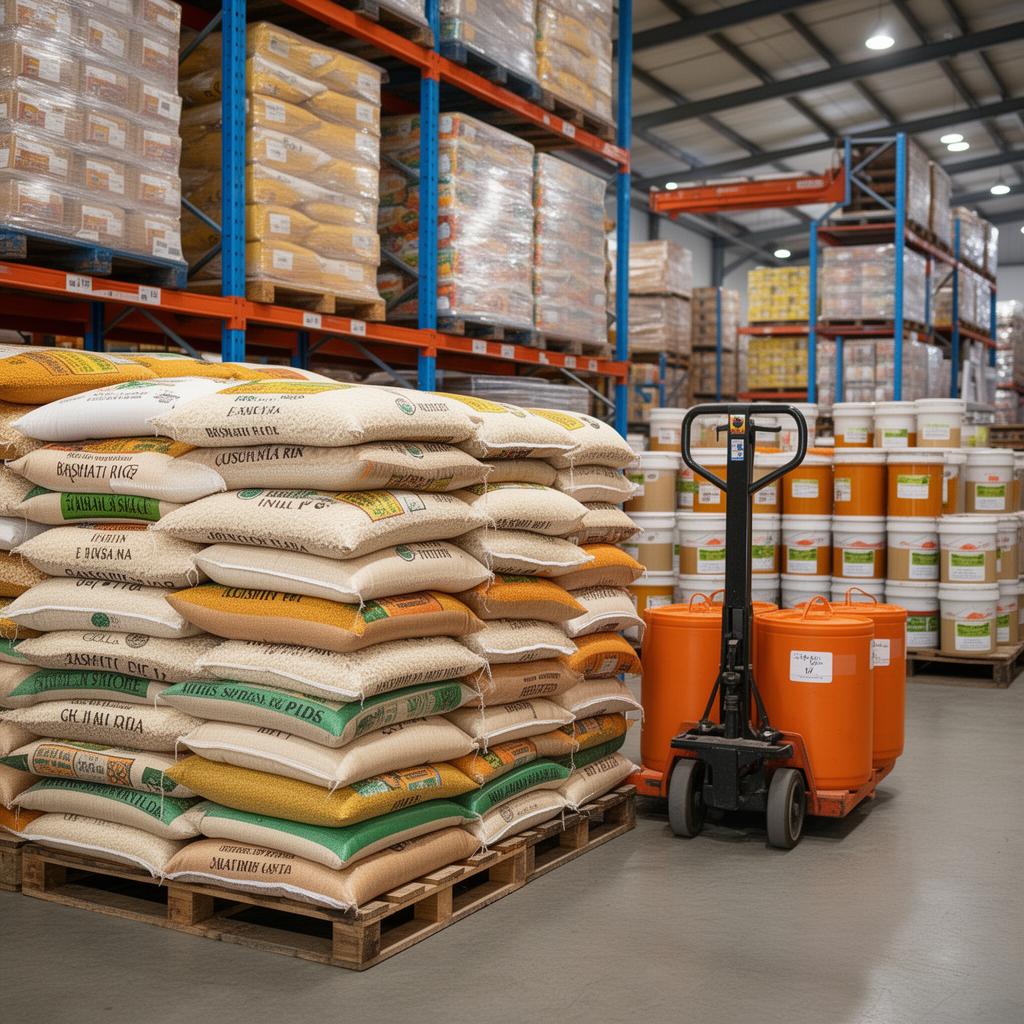
PP Woven Bags (Most Common)
Standard Sizes:
- 25 kg - Most popular export size
- 50 kg - Traditional Indian market
- 10 kg - Smaller buyers
Features:
- Laminated for moisture barrier
- Food-grade inner liner
- Printing for identification
- Cost-effective
- Stackable
Best For:
- All dry spices
- Oil seeds
- Grains and pulses
- Standard shipments
HDPE Bags
Characteristics:
- Higher strength
- Better moisture barrier
- Chemical resistant
- Recyclable
Applications:
- High-value products
- Extended storage needs
- Premium shipments
FIBC / Jumbo Bags (Big Bags)
Capacity:
- 500 kg options
- 1 MT standard
- 1.5 MT available
Types:
- Standard 4-loop
- Single-loop
- Ventilated (for airflow)
- Coated (moisture barrier)
Benefits:
- Lower per-kg packing cost
- Efficient handling
- Reduced waste
- Container optimization
Best For:
- Bulk buyers
- Processing units
- Industrial applications
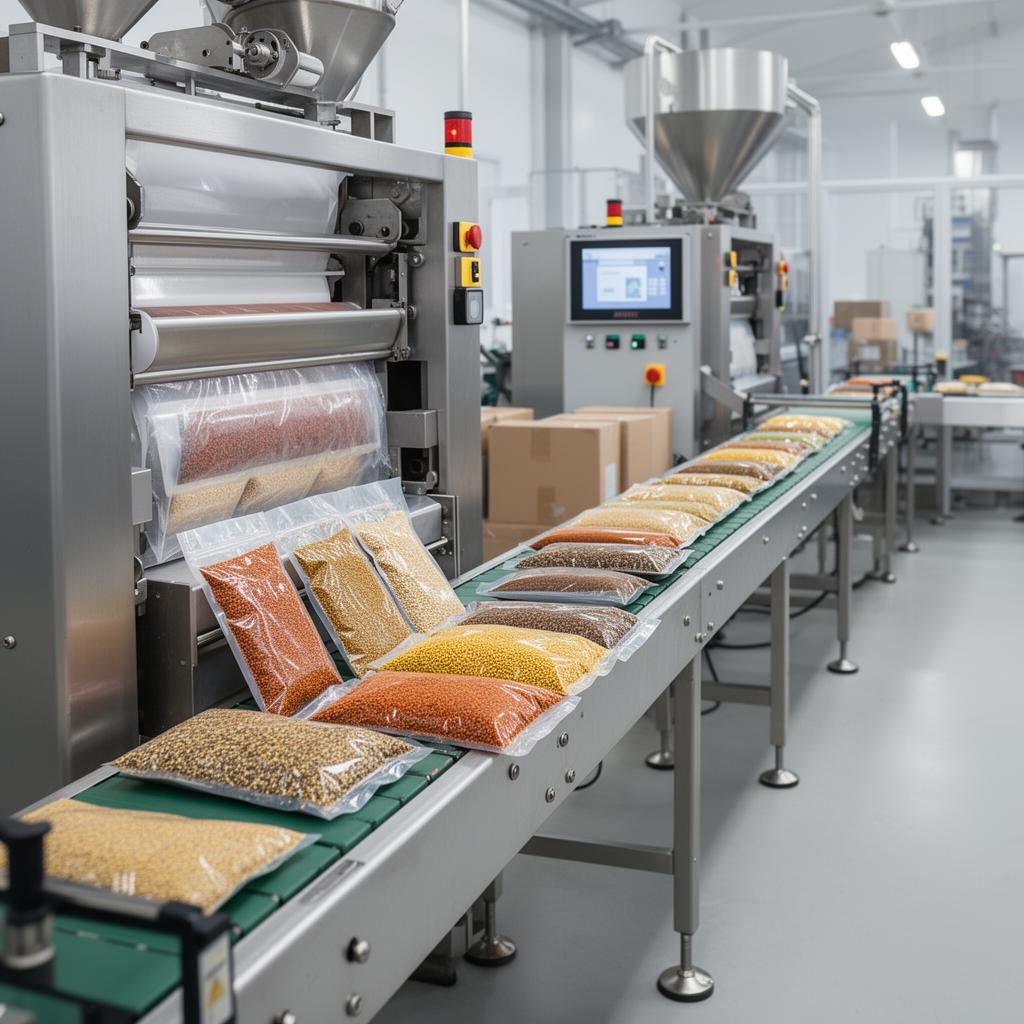
Vacuum Packaging
Benefits:
- Maximum freshness
- Extended shelf life
- Prevents oxidation
- Compact shipping
Applications:
- Premium spices
- Ground/powder products
- Organic products
- Long-distance shipping
Inner Liners
LDPE Liners
Properties:
- Basic moisture barrier
- Food-grade approved
- Cost-effective
- Standard option
Thickness Options:
- 50 micron - Standard
- 75 micron - Better protection
- 100 micron - Premium
Aluminum Foil Liners
Properties:
- Superior moisture barrier
- Light blocking
- Oxygen barrier
- Premium protection
Applications:
- High-value spices
- Ground products
- Essential oil retention
- Export to humid regions
Food-Grade Poly Liners
Features:
- Multi-layer construction
- Custom specifications
- FDA/EU compliant
- Printed options available
Container Packing
Standard Loading Methods
Floor Loading:
- Bags stacked directly
- Maximum utilization
- Labor intensive unloading
- Common for bulk
Palletized Loading:
- Organized stacking
- Easier handling
- Forklift accessible
- Some space loss
Container Specifications
20' Container:
- Internal: 5.9m × 2.35m × 2.38m
- Max payload: 28 MT
- Spice load: 8-22 MT (density varies)
40' Container:
- Internal: 12m × 2.35m × 2.38m
- Max payload: 26 MT
- Spice load: 15-28 MT
Container Protection
Desiccants:
- Silica gel bags
- Clay desiccants
- Container strips
- Moisture absorption
Kraft Paper:
- Container lining
- Temperature buffering
- Additional protection
- Low cost option
Labeling Requirements
Essential Information
Every bag must show:
- Product name - Common and scientific
- Net weight - Metric units
- Country of origin - "Product of India"
- Lot/batch number - Traceability
- Manufacturing date - Production timing
- Best before date - Shelf life
- Exporter details - Name and address
- Importer details - If private label
Regulatory Markings
For EU:
- EORI number
- Organic certification mark (if applicable)
- Net weight in metric
- Allergen declaration
For USA:
- FDA registration
- Net weight (lb and metric)
- Country of origin
- Nutritional label (retail)
Quality Marks
- FSSAI logo
- APEDA symbol
- Organic certification
- Quality grade indication
Specialty Packaging
Retail-Ready Packs
Options:
- 100g, 250g, 500g pouches
- 1 kg stand-up pouches
- Gift boxes
- Spice sets
Features:
- Zipper closures
- Window panels
- Branded printing
- Shelf-ready display
Private Label Services
Complete packaging solutions:
- Custom branding
- Design services
- Variable sizes
- Compliance support
Organic Product Packaging
Requirements:
- Non-contaminated materials
- Certified supply chain
- Separate storage
- Distinct identification
Quality Control in Packaging
Pre-Packing Checks
- Material inspection
- Food-grade certification
- Strength testing
- Print quality verification
- Liner integrity check
Packing Process
- Clean environment
- Calibrated weighing
- Proper sealing
- Label application
- Quality sampling
- Documentation
Post-Packing Inspection
- Weight verification
- Seal integrity
- Label accuracy
- Batch tracking
- Storage conditions
Cost Considerations
Packaging Cost Components
| Item | % of Total | |------|-----------| | Outer bag | 40-50% | | Inner liner | 20-25% | | Printing | 10-15% | | Labels | 5-10% | | Pallets | 5-10% | | Strapping/wrapping | 5% |
Cost Optimization
- Bulk material purchase
- Standard sizes preferred
- Minimal customization
- Efficient container utilization
Environmental Considerations
Sustainable Options
Recyclable Materials:
- PP bags (recyclable)
- Paper-based options
- Biodegradable liners
Reduced Packaging:
- Jumbo bags vs. small bags
- Minimal secondary packaging
- Right-sized containers
Compliance Trends
- EU plastic regulations
- Extended producer responsibility
- Carbon footprint focus
- Circular economy push
Conclusion
Proper export packaging protects product quality, ensures compliance, and builds buyer confidence. Choose packaging appropriate for your product, destination, and buyer requirements.
Need custom packaging solutions for your imports? Satvaexport offers flexible packaging options to meet your specifications!
Products mentioned in this article
Jump straight to specifications, packing and MOQ for the items covered above.
Interested in Premium Quality Products?
Explore our range of export-quality spices, grains, and oil seeds sourced directly from Indian farms.