FSSAI, APEDA & Phytosanitary: Understanding Indian Food Export Certifications
Demystifying Indian food export certifications. What importers need to know about FSSAI, APEDA, Spices Board, and Phytosanitary requirements.
Introduction
When importing food products from India, understanding the certification landscape is crucial. Certifications like FSSAI, APEDA registration, and Phytosanitary certificates are mandatory for Indian food exports, but what do they actually mean for importers?
This guide breaks down every certification you'll encounter when sourcing Indian spices, grains, oil seeds, and other food products.
FSSAI - Food Safety and Standards Authority of India
What is FSSAI?
FSSAI is India's apex food regulatory body, equivalent to:
- FDA (USA)
- FSA (UK)
- EFSA (EU)
Why It Matters for Importers
An FSSAI license means the exporter:
- Follows food safety protocols
- Maintains hygiene standards
- Has traceability systems
- Undergoes regular inspections
FSSAI License Types
| Type | Turnover | Validity | |------|----------|----------| | Basic | <₹12 lakh | 1-5 years | | State | ₹12L-20Cr | 1-5 years | | Central | >₹20 Crore | 1-5 years |
For exporters: Central license is typically required.
Verification
Check FSSAI license validity at: foscos.fssai.gov.in
APEDA - Agricultural & Processed Food Products Export Development Authority
What is APEDA?
APEDA is the government body promoting agricultural exports, including:
- Fruits & vegetables
- Processed foods
- Cereals & grains
- Oil seeds
- Groundnuts
- Organic products
APEDA Registration
Registered Exporter (RCMC):
- 5-year validity
- Mandatory for scheduled products
- Online registration system
- Government fee applies
Benefits for Importers
Buying from APEDA-registered exporters ensures:
- Government oversight
- Export quality standards
- Traceability capability
- Complaint redressal mechanism
Verification
Check registration at: apeda.gov.in
Spices Board Certification
Scope
Mandatory for exporting:
- Pepper, cardamom
- Chili, turmeric
- Cumin, coriander
- Ginger, fenugreek
- Other scheduled spices
Registration Categories
- Exporter Registration
- Spice Processing Unit Registration
- Spice Quality Laboratory Recognition
Quality Certification
Spices Board offers:
- Quality certification marks
- Lab testing services
- Pre-shipment inspection
- Export promotion support
Phytosanitary Certificate
What Is It?
A Phytosanitary Certificate confirms that:
- Products are free from quarantine pests
- Meet importing country's plant health requirements
- Have been inspected by authorized officers
Who Issues It?
- NPPO (National Plant Protection Organization)
- Through Plant Quarantine Stations
- At 35+ locations across India
When Required?
Mandatory for:
- All plant-origin products
- Seeds and grains
- Spices
- Oil seeds
- Pulses and legumes
Processing Time
- Standard: 3-5 working days
- Express: 1-2 days (additional fee)
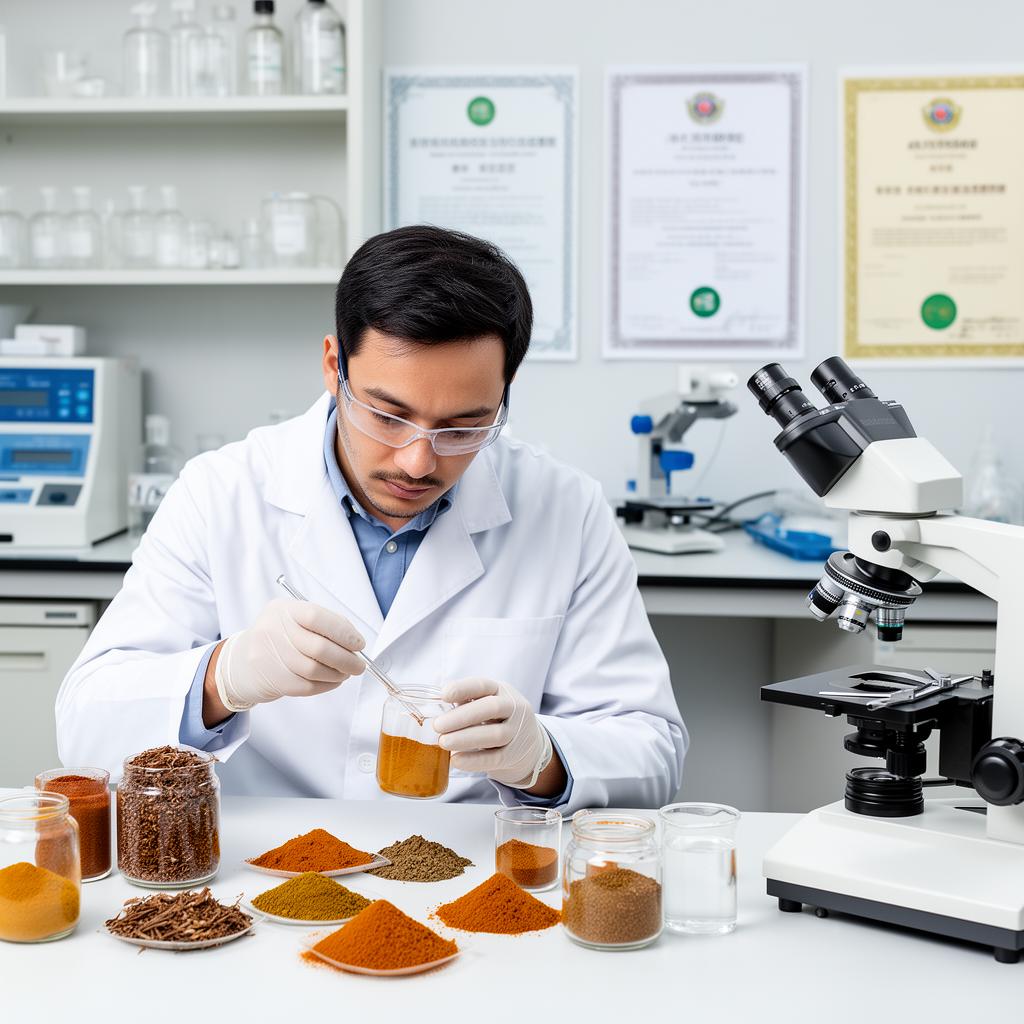
Certificate of Analysis (COA)
Purpose
Third-party lab verification of:
- Nutritional parameters
- Contaminant levels
- Quality specifications
- Compliance with buyer specs
Key Parameters Tested
Chemical:
- Moisture, protein, fat
- Ash, fiber content
- Essential oils (spices)
- Aflatoxin levels
- Pesticide residues
Microbiological:
- Salmonella
- E. coli
- Total plate count
- Yeast and mold
Physical:
- Foreign matter
- Broken percentage
- Color values
- Size specifications
Recognized Labs
- Export Inspection Agency (EIA)
- NABL accredited private labs
- FSSAI notified laboratories
- International labs (SGS, Intertek)
Certificate of Origin (COO)
Purpose
Proves the goods were:
- Produced in India
- Processed in India
- Meet origin criteria
Types
Non-Preferential COO:
- Standard origin proof
- Issued by Chambers of Commerce
- FIEO, FICCI, local chambers
Preferential COO:
- For FTA benefits
- Country-specific formats
- Government authorized
When Required
- Customs clearance
- Tariff determination
- Trade agreement benefits
- Anti-dumping verification
Fumigation Certificate
Purpose
Confirms treatment against:
- Stored product pests
- Insects and larvae
- Quarantine organisms
Treatment Methods
Methyl Bromide (MB):
- Traditional method
- Being phased out
- Some countries still require
Phosphine (AlP):
- Common alternative
- Effective fumigation
- Widely accepted
Heat Treatment:
- Non-chemical option
- Growing acceptance
- Premium markets
Certificate Details
- Treatment date
- Chemical used
- Dosage and duration
- Operator details
- Expiry indication
Organic Certifications
Indian Standards
NPOP - National Programme for Organic Production
- Equivalent to EU and Swiss standards
- Government of India standard
- Accredited certification bodies
International Equivalence
| Market | Certification Needed | |--------|---------------------| | USA | USDA NOP | | EU | EU Organic | | Japan | JAS Organic | | Korea | Korean Organic | | Canada | COR |
Transaction Certificate
For each organic shipment:
- Unique TC number
- Product and quantity details
- Importer information
- Valid for that shipment only
ISO and Other Quality Certifications
Common Certifications
ISO 22000:
- Food safety management
- HACCP principles included
- International recognition
HACCP:
- Hazard analysis
- Critical control points
- Risk-based approach
BRC/IFS:
- UK/EU retail standards
- Detailed requirements
- Annual audits
Kosher/Halal:
- Religious dietary compliance
- Specific market requirements
- Certification bodies vary
Summary Checklist for Importers
Mandatory Documents
✅ FSSAI License copy ✅ APEDA/Spices Board registration ✅ Phytosanitary Certificate ✅ Certificate of Origin ✅ Certificate of Analysis ✅ Fumigation Certificate (if required)
Recommended Verifications
☑ License validity check ☑ Registration authenticity ☑ Lab accreditation status ☑ Certification currency
Conclusion
Understanding Indian food export certifications protects your business and ensures compliance. Work with exporters who maintain all necessary certifications and can provide proper documentation for every shipment.
Need certified, compliant food products from India? Satvaexport maintains all required certifications for hassle-free imports!
Interested in Premium Quality Products?
Explore our range of export-quality spices, grains, and oil seeds sourced directly from Indian farms.